Pocket Scales
- nitin5601
- Apr 17
- 5 min read
Updated: Apr 19
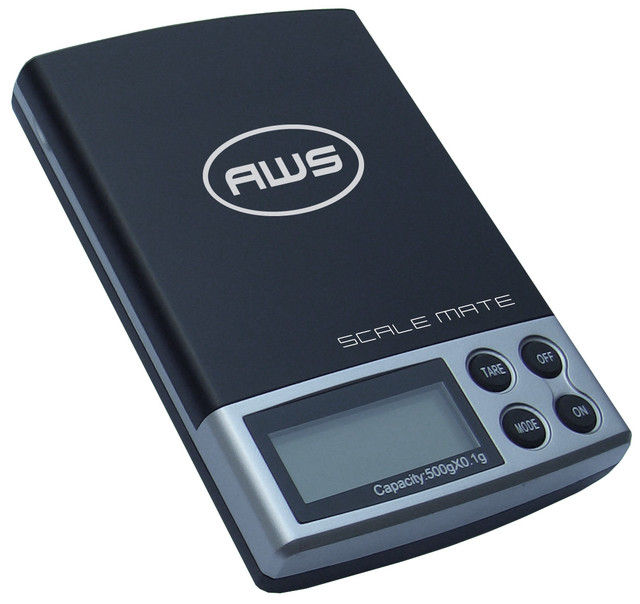
In today’s fast-paced world, where portability and precision matter, pocket scales have become essential tools for anyone needing accurate measurements on the go. Whether you're measuring jewelry, food, or small parcels for shipping, pocket scales offer the ideal solution. These digital scales are small enough to fit in your pocket but deliver the precision required for various tasks. In this guide, we’ll cover the features, types, benefits, and common uses of pocket scales, especially in the USA.
What Are Pocket Scales?
Pocket scales are small, portable, digital weighing devices designed to measure small items with high accuracy. Despite their compact size, these scales are capable of measuring weight down to milligrams. They are ideal for tasks that require precise measurements scales, such as weighing jewelry, food, or small objects for shipping. These scales come in various designs and sizes, but all of them offer portability and reliable results. Pocket scales are commonly used in various fields, from personal use to professional applications, due to their versatility and ease of use.
Types of Pocket Scales Available
There are several types of pocket scales, each designed to cater to specific needs. Let’s take a closer look at the most popular models available:
Mini Digital Scales
Mini digital pocket scales are one of the most popular choices due to their portability and ease of use. These scales are often used to weigh small items like herbs, spices, and food portions. Their small size makes them easy to store and carry, and their digital displays provide quick, accurate readings.
Jewelry Pocket Scales
Jewelry pocket scales are specially designed for jewelers and those in the precious metals industry. These scales provide precise measurements, typically down to milligrams, ensuring accurate readings for valuable items like gold, gemstones, and silver. Jewelry pocket scales often come with features like calibration to maintain high accuracy.
Portable Pocket Scales
Portable pocket scales are designed for people on the go. Whether you're traveling or need to weigh small packages for shipping, these scales are lightweight, easy to carry, and provide reliable measurements. Portable scales are often used by frequent travelers to weigh luggage or by businesses shipping small items.
Precision Pocket Scales
Precision pocket scales are designed to provide ultra-high accuracy, often measuring to the milligram level. These scales are used in professional settings like laboratories, pharmacies, and scientific research, where minute variations in weight can have significant consequences. Precision pocket scales are built to offer accurate, repeatable measurements.
Travel Pocket Scales
Travel pocket scales are compact and portable, making them perfect for travelers. These scales are ideal for weighing luggage to ensure it meets airline weight restrictions. Travel pocket scales are designed for quick and easy use, with features such as tare functions that allow you to subtract the weight of containers or packaging.
Why Choose Pocket Scales?
There are several reasons why pocket scales are becoming increasingly popular:
Portability
The most obvious benefit of pocket scales is their portability. These scales are small and lightweight, making them easy to carry wherever you go. Whether you’re at home, in the office, or traveling, you can easily slip a pocket scale into your bag or pocket and have it ready for use.
Accuracy
Pocket scales are designed to provide high accuracy. Many models can measure down to milligrams, making them ideal for applications that require precision, such as weighing jewelry, food portions, or small scientific samples. This level of accuracy is not typically found in larger, bulkier weighing systems.
Easy to Use
Most pocket scales feature a user-friendly design with a simple digital display and minimal buttons. This makes them very easy to use, even for beginners. With just a few button presses, you can have precise measurements without needing any advanced knowledge.
Versatility
Pocket scales are incredibly versatile and can be used for a variety of tasks. Whether you're measuring ingredients in the kitchen, weighing small packages, or weighing precious metals, these scales provide reliable and accurate results. Many models offer multiple units of measurement, such as grams, ounces, and carats, which makes them adaptable to different needs.
Cost-Effective
Pocket scales are relatively affordable compared to other types of weighing systems. This makes them a great option for anyone who needs a reliable, portable weighing tool but doesn’t want to spend a lot of money. Whether you need a pocket scale for personal use or professional applications, you’ll find one that fits your budget.
Key Features to Look for in Pocket Scales
When shopping for a pocket scale, there are certain features you should consider to make sure the scale meets your needs. Here are some of the most important features:
Auto Tare Function
Many pocket scales come with an auto tare function, which allows you to subtract the weight of containers, packaging, or other items. This ensures that you’re only weighing the contents, not the container, providing more accurate results.
Backlit Display
A backlit display makes it easier to read the measurements, especially in low-light environments. This is a helpful feature if you plan on using the scale in dimly lit areas, such as at night or in storage spaces.
Calibration
Calibration is essential to maintaining the accuracy of your pocket scale. Some scales come with automatic calibration, while others allow for manual calibration using standard weights. Regular calibration helps ensure the scale’s measurements remain consistent over time.
Battery Life
Look for a pocket scale with long battery life or one that offers an energy-saving mode. Since pocket scales are designed for portability, long battery life ensures that you can use the scale frequently without worrying about frequent battery replacements.
Common Uses of Pocket Scales
Pocket scales are versatile tools used in various industries and personal applications. Some common uses include:
Jewelry Weighing
Jewelry pocket scales are used by jewelers to accurately measure precious metals and gemstones. These scales are essential for determining the value of items by weight.
Food Portioning
Many people use mini pocket scales to measure ingredients in the kitchen. These scales are particularly useful for those who need to control portion sizes or follow specific dietary plans.
Traveling
Travel pocket scales are handy for weighing luggage before heading to the airport. By knowing the weight of your luggage ahead of time, you can avoid unexpected baggage fees.
Scientific Applications
Precision pocket scales are often used in laboratories and research settings where high levels of accuracy are necessary. Whether you're working with chemicals, pharmaceuticals, or other materials, precision scales are ideal for obtaining accurate measurements.
FAQs
1. How accurate are pocket scales?
Pocket scales are highly accurate and can measure down to milligrams, making them ideal for tasks that require precision.
2. Can I use a pocket scale for food weighing?
Yes, mini pocket scales are great for food portioning, especially for those who are tracking their diet or need to measure small amounts of ingredients accurately.
3. What is the best pocket scale for jewelry?
Jewelry pocket scales are designed specifically for weighing small, valuable items. These scales are highly precise and provide the accuracy needed for jewelers.
4. Can pocket scales measure in different units?
Yes, most pocket scales offer multiple units of measurement, including grams, ounces, carats, and pounds, depending on the model.
5. How do I maintain my pocket scale?
To maintain your pocket scale, calibrate it regularly, clean it with a soft cloth, and replace the batteries as needed. Store it in a safe place to prevent damage.


Comments